We follow and summarise international scientific research into cell-based approaches in oncology. This page is for information and education only and is not an offer of treatment.
Natural killer cells (NK cells) in cancer therapy
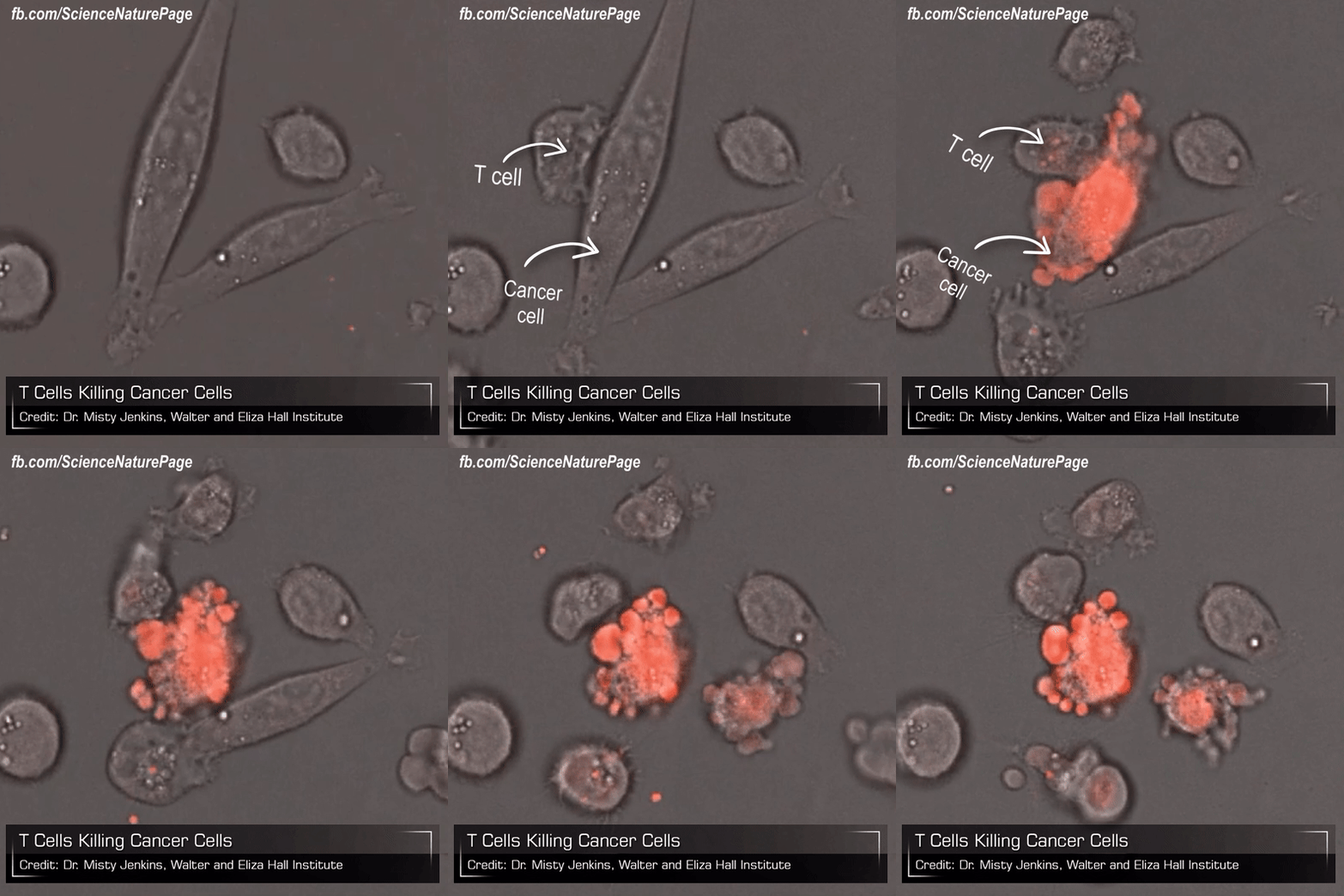
Natural killer (NK) cells are large granular lymphocytes with cytotoxicity against tumour cells and virus-infected cells. They are considered a separate class of lymphocytes and perform cytotoxic and cytokine-producing functions — one of the key components of innate cellular immunity. They were named “natural killers” because, by early understanding, they did not require activation to kill cells lacking major histocompatibility (MHC) markers. A decrease in MHC-I on the cell surface can result from a cell’s transformation into a cancer cell or from viruses such as papillomavirus and HIV.
In oncology research, cell-based approaches under study include targeted killer cells (activated NK cells and T cells); immunotherapy approaches described in the literature use monoclonal, polyclonal or bispecific antibodies. When stimulated by dendritic cells bearing alpha-galactosylceramide (an NK-activating glycolipid antigen analogue), NK cells can produce Th1 cytokines with antitumour activity in experimental models. Because many patients have insufficient NK-cell populations for an effective response, research has explored induced stem cells as a potential source to replenish these cells.